
Departments
Department of Hepatology
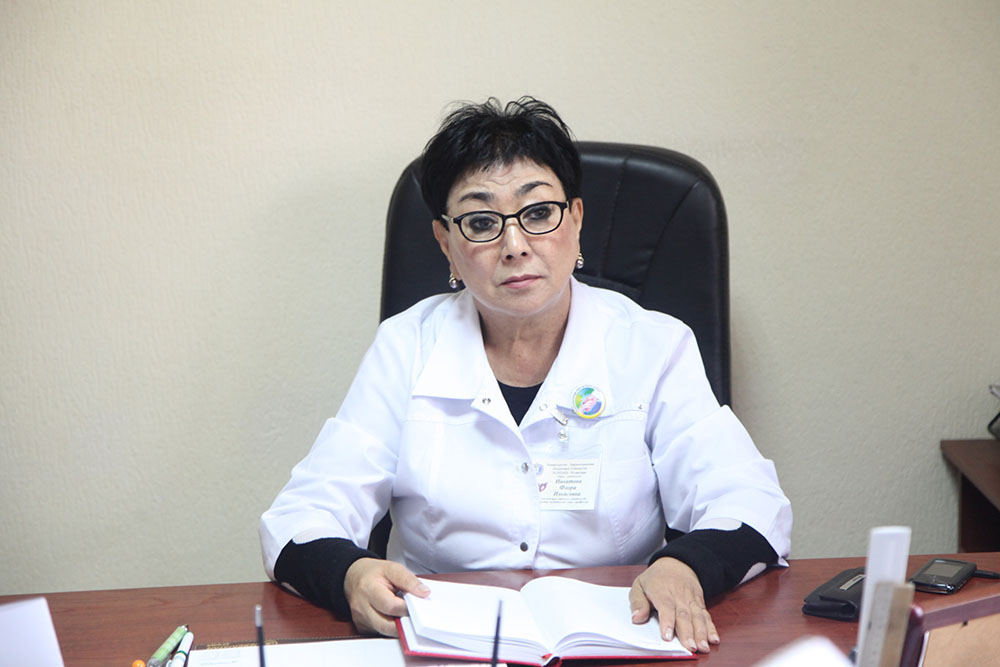
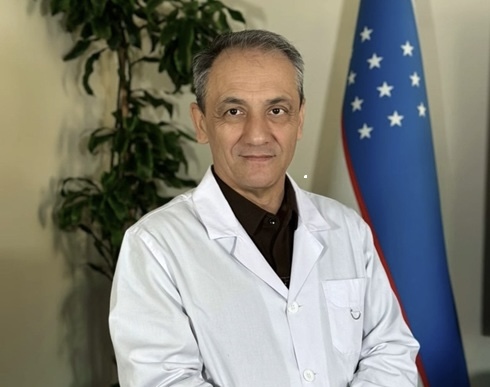
Head of scientific department
Inoyаtovа Florа Ilyаsovnа
Head of department
Dilshod Rakhimovich Yusupov
Physician of the highest category
Tulaganov Nodir Abdukadirovich
DSc, Professor, Doctor of Medical science.
Physician of the highest category
The Hepatology Department is a unique unit dedicated to the diagnosis, treatment, and rehabilitation of children with liver diseases. The department includes:
• Scientific Hepatology Division
• Hepatologist Consultation Room
• Ultrasound Diagnostics Room
• Inpatient Unit with 40 Beds:
• 30 beds for children with chronic viral liver diseases
• 10 beds for children with liver pathologies of unclear etiology
• Scientific Hepatology Division
• Hepatologist Consultation Room
• Ultrasound Diagnostics Room
• Inpatient Unit with 40 Beds:
• 30 beds for children with chronic viral liver diseases
• 10 beds for children with liver pathologies of unclear etiology
Head of the Department:
Academician of the Academy of Sciences of Uzbekistan and the International Academy of Medical and Technical Sciences — Flora Ilyasovna Inoyatova. Under her leadership, fundamental and applied research is conducted on key issues in pediatric hepatology: from genetic and socio-medical factors to modern diagnostic technologies and treatment programs.
Head of the Hepatology Division:
Dilshod Rakhimovich Yusupov, Physician of the highest category
Head of the Hepatology Division:
Dilshod Rakhimovich Yusupov, Physician of the highest category
Areas of Activity
Nosologies:
• Chronic viral hepatitis (B, C, D)
• Chronic mixed viral hepatitis (B+C, B+D, B+C+D)
• Chronic hepatitis of unclear etiology
• Liver cirrhosis of various etiologies
• Congenital liver fibrosis
• Glycogen storage disease
• Wilson-Konovalov disease
• Gaucher disease
• Diseases of the gallbladder and biliary tract
Diagnostics
Laboratory Diagnostics::
• IHLA tests: markers for viral hepatitis (B, C, D), herpesvirus, cytomegalovirus, Epstein-Barr virus infections, liver fibrosis markers, and tumor markers.
• PCR diagnostics: qualitative and quantitative testing of viral DNA and RNA, including hepatitis virus genotyping. Unified Tests:
• Complete blood count
• Liver function tests
• Lipid and cholestatic panels
• Coagulation profile and other investigations
Instrumental Diagnostics: • Ultrasound examinations (including sonoelastography and fibroscan)
• Innovative ultrasound technologies for quantitative liver structure assessment
• Dopplerography of the portal system vessels
• Esophagogastroduodenoscopy
• MSCT and MRI examinations
• Targeted liver biopsy (in exceptional cases)
Treatment
We apply an individualized approach to each young patient, considering their diagnosis and unique physical characteristics.
Diet Therapy (diets No. 5, No. 5a, No. 7, etc.);
Basic Therapy:
• Hepatoprotectors
• Immunomodulators
• Antiviral therapy (α-IFN and nucleoside analogs)
Invasive Detoxification Therapy:
• Plasmapheresis — extracorporeal blood filtration
• Hemoperfusion — a method of blood purification
Diet Therapy (diets No. 5, No. 5a, No. 7, etc.);
Basic Therapy:
• Hepatoprotectors
• Immunomodulators
• Antiviral therapy (α-IFN and nucleoside analogs)
Invasive Detoxification Therapy:
• Plasmapheresis — extracorporeal blood filtration
• Hemoperfusion — a method of blood purification
Research Activities
The department actively participates in the development of new diagnostic and treatment methods aimed at improving the quality of life for children with chronic liver diseases.
Main Research Areas:
• Studying genetic and socio-medical factors influencing disease development
• Modern technologies for diagnosing and treating chronic hepatitis and cirrhosis
• Rehabilitation and follow-up care for patients
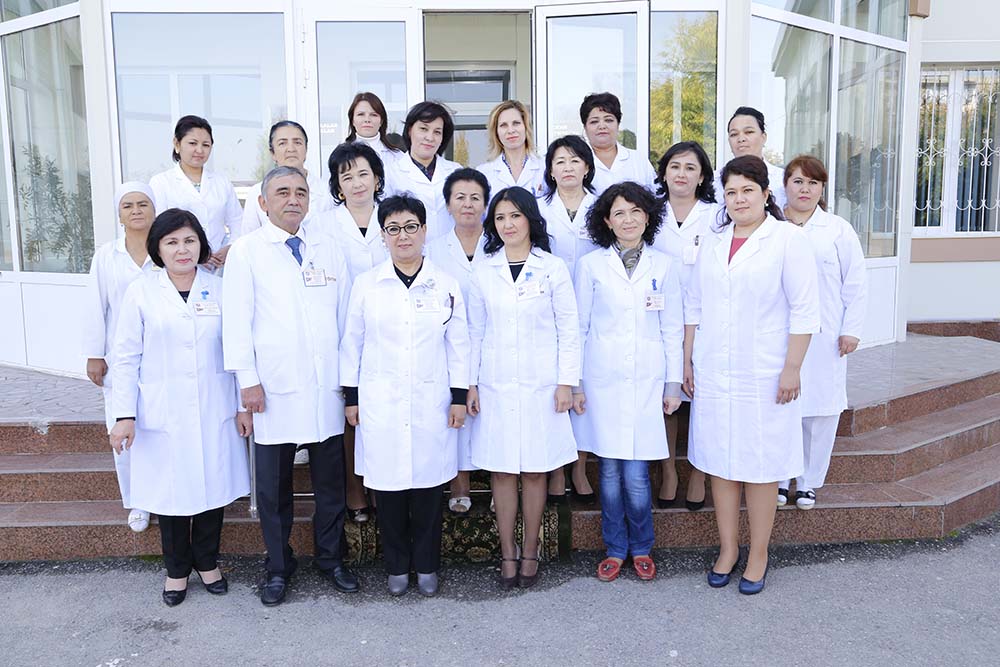
The Hepatology Department is a team of highly qualified specialists, cutting-edge equipment, and a scientific approach to solving the most complex issues in pediatric hepatology. Our mission is to preserve children’s health and give them a happy future.
We are always here to care for your child!